Using AI for Crisis Prevention in Home Care
AI turns home care data into early alerts and automated follow‑ups to prevent crises.

Sage Care Editorial
Content & Communications Team
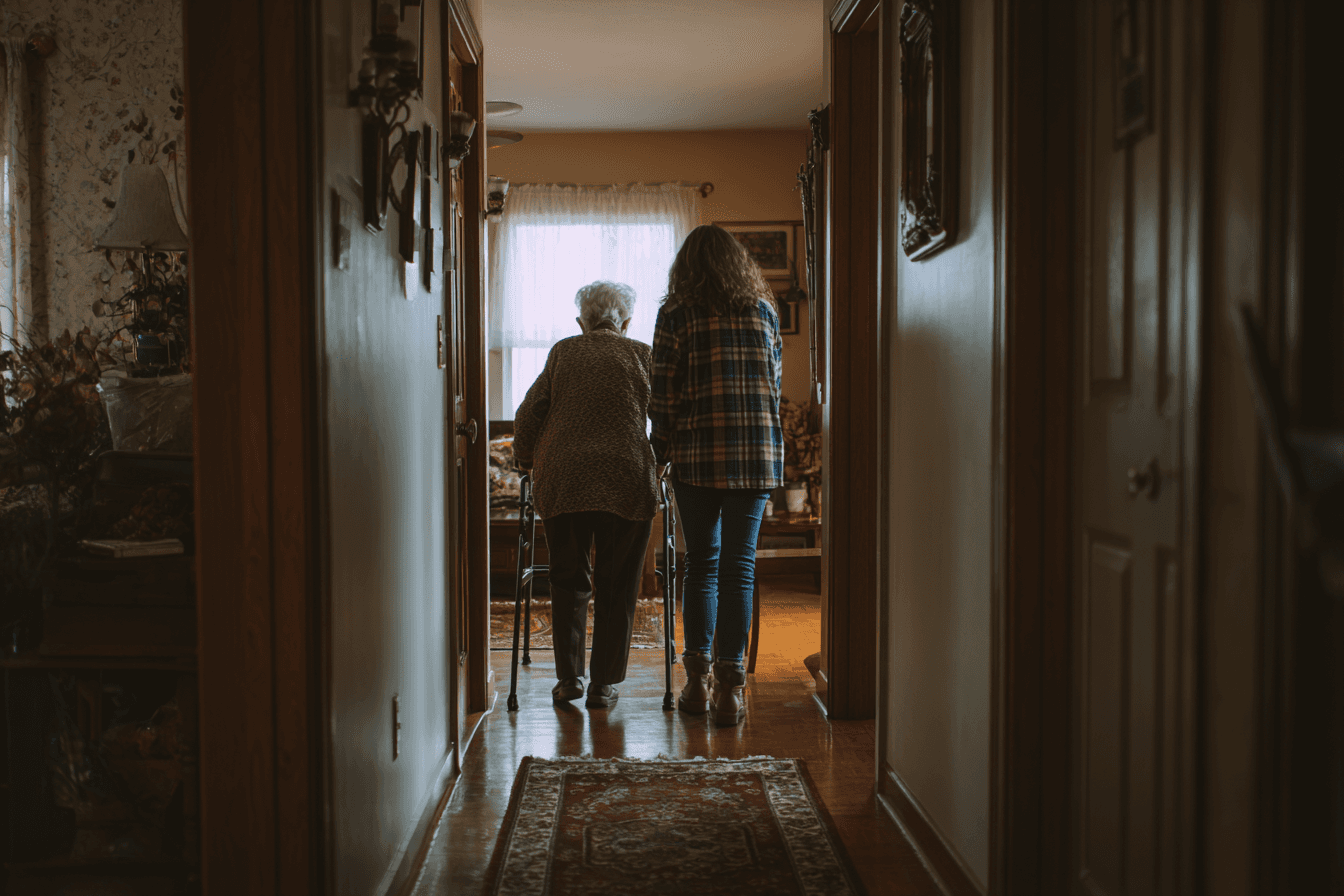
Crisis prevention is where home care agencies win trust, protect margins, and deliver the kind of care families remember. The reality is that most crises start small. A missed medication reminder. A change in gait. Confusion that appears after sundown. When these signals are buried in fragmented notes or delayed in manual workflows, they turn into falls, ER visits, and lost clients. AI can change that by bringing proactive visibility to the edge of your operations and automating follow up in real time.
Why crisis prevention matters for your home care business
Every unplanned hospital visit drives up costs, disrupts schedules, and erodes family confidence. For agencies, it also hurts caregiver morale and referral relationships. Preventing crises is not just clinical. It is operational and reputational. Home care software that pairs structured documentation with intelligent alerts lets you intervene earlier, standardize care, and prove your value to partners.
The AI shift: from reactive to proactive
Modern home care ai technology ingests daily visit notes, voice dictation, task completion, vitals from integrated devices, and client preferences. It finds patterns humans miss, then automates the right next step. That includes escalating to care managers, sending family updates, scheduling a check in, or prompting a medication reconciliation. Instead of chasing issues after they escalate, AI helps your team work upstream.
Here is how AI translates into practical crisis prevention:
Risk signals detected early: Changes in sleep, appetite, mobility, mood, hydration, missed meds, and caregiver observations are scored against baseline. When risk rises, AI flags it the same day and suggests an action.
Automated follow up that actually happens: The system drafts clear, HIPAA compliant messages to families and clinicians, routes tasks to the right staff, and sets reminders so nothing falls through the cracks.
Consistent documentation without extra work: Notes are structured and complete, so you have defensible records for partners and payers. This reduces liability and improves care transitions.
Real time visibility for operators: Dashboards show which clients need attention, which caregivers may be overwhelmed, and which cases are trending toward crisis, so you can redeploy resources fast.
Practical workflows that prevent crises
Think in simple workflows that your team can adopt quickly.
Medication adherence: AI compares planned meds to actual completion and caregiver notes. When adherence dips, it schedules a check in, alerts the care manager, and drafts a message to the family, reducing avoidable ER visits related to dehydration or infection.
Fall risk monitoring: Daily notes about dizziness, shuffling, or new bruising are analyzed against history. The system recommends a home safety review, prioritizes a PT referral, and updates the care plan. You act before the fall.
Cognitive changes: Subtle shifts in orientation or agitation across multiple visits trigger early intervention. AI prompts a clinician message, suggests environmental adjustments, and books an additional evening visit if needed.
Post discharge stabilization: Clients recently home from the hospital get tighter monitoring for 14 days. AI verifies tasks, surfaces missed instructions, and automates updates to SNF or PCP partners, keeping everyone aligned.
Head to our blog by guest author Matt Stewart to read about Wellnuo's vision for AI sensor-enabled senior living.
The operator’s lens: revenue, retention, and reputation
Crisis prevention is profitable. Agencies that reduce hospitalizations see better retention, more referrals, and lower overtime. Proactive communication also builds family trust, which drives reviews and word of mouth. With the right home care software, you are not adding overhead. You are reducing waste and turning risk management into a growth lever.
From a home care marketing perspective, proactive outcomes are a differentiator you can prove. Share metrics like reduced ER transfers, faster response times, and higher family satisfaction. Capture these stories in your content, case studies, and community outreach. Buyers want agencies that prevent problems, not just respond to them. (In fact, read here about how closing the loop is a growth engine).
Implementation playbook for AI in crisis prevention
You do not need a big bang rollout. Start small, measure, and expand.
Define 5 to 7 risk signals you care about most. Focus on falls, meds, cognitive change, dehydration, skin integrity, mood, and sleep. Align with your clinical advisor. Standardize the observation language your caregivers use so AI can score consistently.
Choose integrated home care AI technology that fits your existing stack. Look for HIPAA compliance, EHR and scheduling integrations, mobile friendly capture, and automated follow up that aligns with your workflows. Ensure caregivers can document quickly with voice and simple prompts. Friction kills adoption.
Build clear escalation rules. Who gets notified, how fast, and what action is taken. Keep rules simple and consistent. Pair automated alerts with human review for high risk clients.
Train for behavior, not just software. Teach caregivers what to observe, why it matters, and how AI turns their notes into action. Celebrate early saves to reinforce the culture.
Track three metrics weekly. Risk alerts resolved within 24 hours, avoidable ER visits, and family satisfaction. Share results in standups to keep momentum.
Compliance and trust, by design
Families and partners expect privacy and professionalism. Use tools that are HIPAA compliant and purpose built for home care (more on that here). Limit data access by role, encrypt data in transit and at rest, and log all changes. Document your protocols. When you combine strong privacy practices with transparent communication, trust grows and referrals follow.
Sage is on a mission to supercharge home care agencies by improving operations with HIPAA-compliant AI, purpose-built for the complexities of home care. To learn more about Sage, head to our home page.


